Childhood visual impairment can significantly affect a child's development, learning, and overall quality of life. This guide provides essential information for parents to recognize early signs of vision problems, understand potential causes—ranging from congenital conditions to developmental disorders—and explore available treatments and support options. Early diagnosis and intervention are key to helping children reach their full potential. By staying informed and proactive, parents can play a vital role in supporting their child’s visual health and overall well-being.
What is Visual Impairment?
Visual Impairment is a condition where an individual has partial or complete loss of vision that cannot be corrected by standard glasses, contact lenses, medicine, or surgery. It is a developmental concern, especially when it occurs during childhood, as vision plays a critical role in motor skills, learning, and emotional bonding.
Visually Impaired Meaning:
The visually impaired meaning includes a wide range of vision loss:
Difficulty in seeing near or far objects clearly
Trouble identifying colors or shapes
Visual field loss (blind spots)
Complete inability to see (total blindness)
Vision loss doesn’t necessarily mean total darkness — many children retain some functional vision.

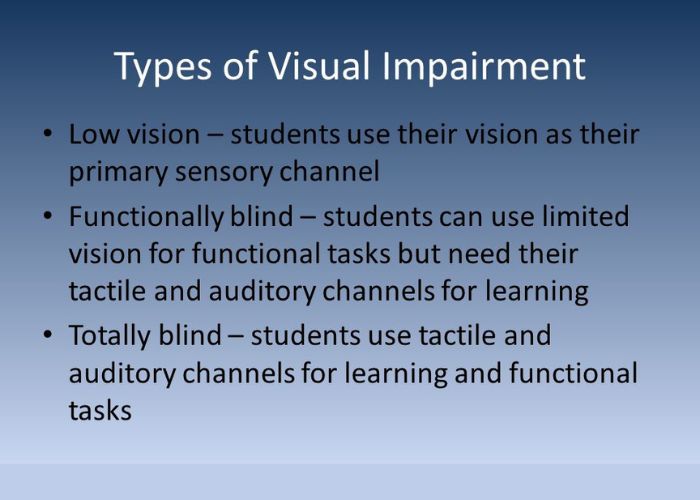
Categories of Visual Impairment
Visual impairment is generally classified into various categories depending on visual acuity and the visual field:
1. Low Vision
Children with low vision have partial sight—they can see but need support like large print, magnifiers, or high-contrast materials to recognize objects, read, or navigate their environment. Regular glasses alone aren’t enough to correct their vision.
They learn using a mix of vision and other senses, such as touch and hearing. Tools like tactile books, audio resources, and special lighting help them understand and interact with the world more effectively.
2. Moderate Visual Impairment
Vision is significantly affected, requiring structured interventions and environmental modifications.
They often struggle with activities like reading from a blackboard, playing sports, or identifying distant faces.
3. Severe Visual Impairment
Limited to recognizing light, shadows, or basic movement.
Rely heavily on tactile and auditory learning.
4. Total Blindness
No light perception at all.
A child learns to navigate the world entirely through other senses, especially touch and hearing.
These categories of visual impairment help therapists, educators, and doctors create targeted intervention plans.
Types of Visual Impairment in Children
Each child’s visual challenge can be categorized further based on the nature and source of the problem. Some common types of visual impairment include:
1. Refractive Errors
These are the most common vision issues in children and include:
Myopia (nearsightedness) – difficulty seeing distant objects
Hyperopia (farsightedness) – difficulty seeing close-up
Astigmatism – blurry or distorted vision due to an irregular eye shape
Usually corrected with glasses, but if left untreated in early years, they can lead to learning difficulties and developmental delays.
2. Strabismus (Crossed or Misaligned Eyes)
In this condition, the eyes do not align properly and may point in different directions.
It can cause double vision and, if not treated, may lead to amblyopia (lazy eye). Early eye muscle therapy or surgery can help.
3. Amblyopia (Lazy Eye)
This occurs when one eye is weaker, and the brain starts favoring the stronger one.
If not corrected by age 7–8, it can cause permanent vision loss in the weaker eye. Treatment includes patching the stronger eye and using glasses or vision therapy.
4. Cortical Visual Impairment (CVI)
In CVI, the eyes are physically healthy, but the brain has trouble processing visual information due to neurological damage.
Children may have inconsistent vision, trouble recognizing faces, objects, or understanding visual scenes. Therapy focuses on visual stimulation and brain-based strategies.
5. Congenital Eye Disorders
These are present at birth and include conditions like:
Congenital cataracts
Glaucoma
Coloboma
Retinal dystrophies
Management often involves surgery, medication, and long-term support with educational tools and therapies.
6. Retinopathy of Prematurity (ROP)
Seen in premature infants, this condition involves abnormal blood vessel growth in the retina.
If untreated, it can lead to retinal detachment and blindness. Early screening in NICUs is essential for prevention and treatment.
Each of these types of visual impairment demands a customized intervention plan involving multiple specialists.
Causes of Visual Impairment in Children
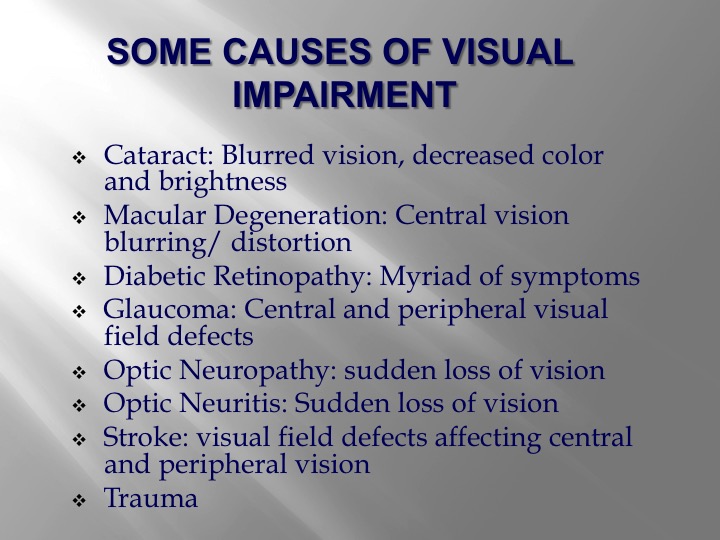
There are numerous causes of visual impairment, including genetic, environmental, and acquired factors. Some of the most common include:
1. Genetic or Hereditary Disorders
Examples: Retinitis pigmentosa, albinism, Leber congenital amaurosis.
These often require lifelong support and adaptive tools for learning.
2. Premature Birth
Babies born before 32 weeks are at higher risk for ROP, neurological complications, and delayed visual maturation.
3. Prenatal Infections
TORCH infections (Toxoplasmosis, Other [syphilis], Rubella, Cytomegalovirus, Herpes) can severely damage a baby’s eyes and brain.
4. Birth Trauma or Oxygen Deprivation
Can lead to optic nerve atrophy or cortical visual impairment.
5. Malnutrition
Severe Vitamin A deficiency can lead to xerophthalmia, night blindness, and corneal ulcers.
6. Brain Tumors or Neurological Disorders
Affect the optic nerve or visual cortex, leading to partial or total vision loss.
Understanding the causes of visual impairment can help in identifying at-risk children early and planning the right interventions.
Early Signs of Visual Impairment in Children
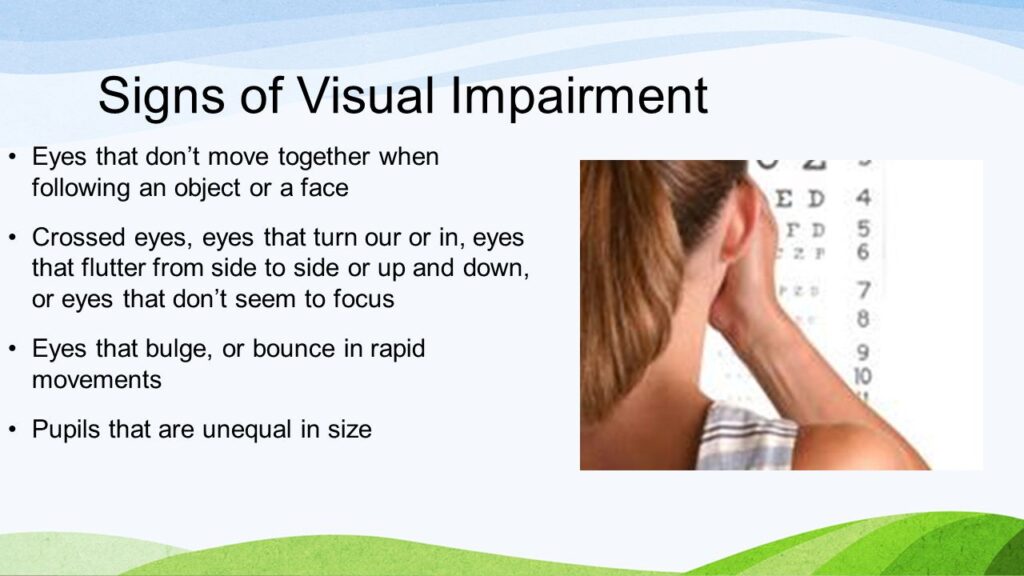
Parents should be vigilant about subtle signs that may indicate visual difficulties:
Avoids eye contact or doesn’t follow moving objects
Holds books or toys very close to the face
Bumps into furniture or walls
Excessive squinting or blinking in bright light
Delays in playing, crawling, or walking
Appears confused in new environments
Prompt medical attention and early therapy can dramatically improve outcomes.
Which Therapy Helps for Visual Impairment?
Now let’s address a key question: Which therapy helps for visual impairment? Here are proven therapeutic approaches used at Nurturers:
1. Vision Therapy
Guided eye exercises to improve visual tracking, focus, and perception.
Especially useful for strabismus, amblyopia, and visual processing delays.
2. Occupational Therapy (OT)
Helps improve daily functional skills like dressing, eating, and writing.
Teaches the use of adaptive tools like textured surfaces, talking clocks, and contrasting colors.
3. Speech & Language Therapy
Supports children who rely on verbal learning over visual cues.
Encourages expressive and receptive language through tactile or auditory channels.
4. Orientation & Mobility Training
Essential for blind children or those with severe vision loss.
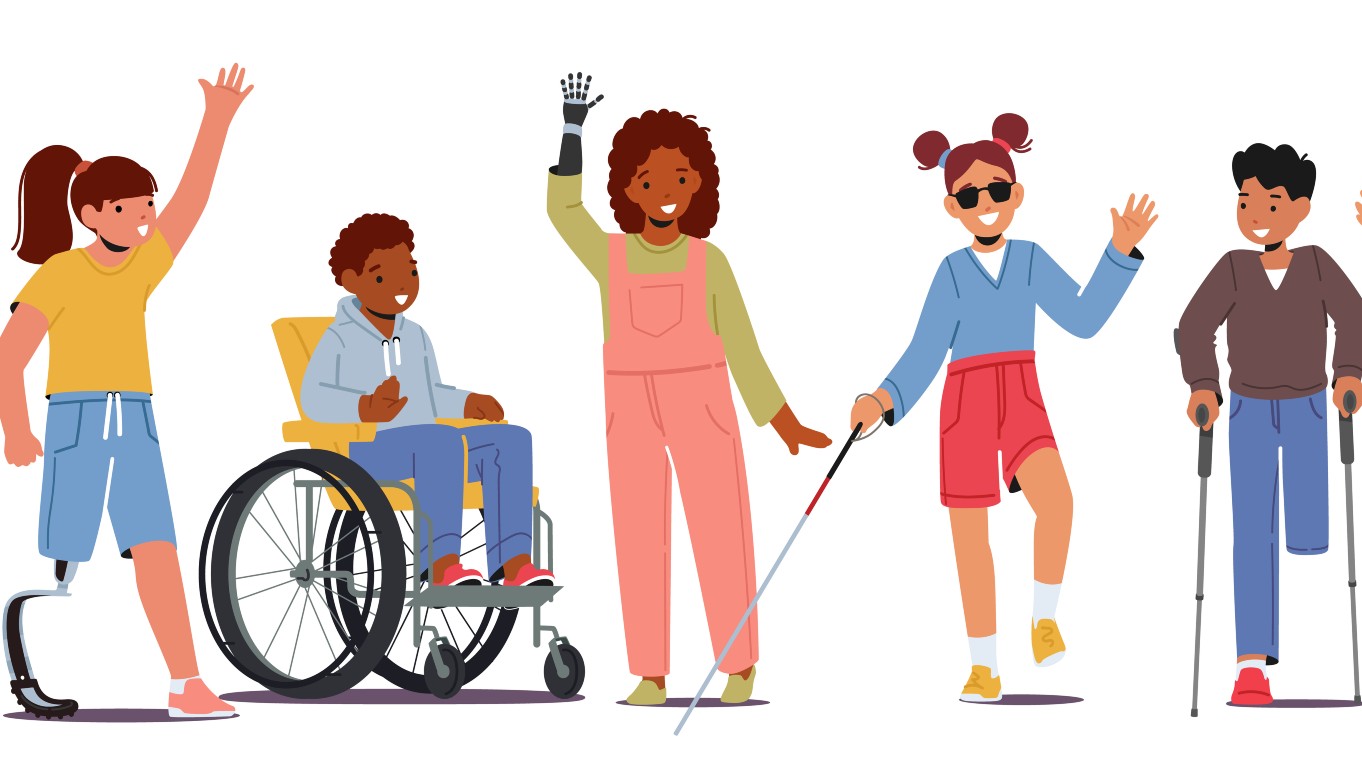
Trains children to use white canes, echolocation, or mobility maps to move independently.
5. Assistive Technology
Includes Braille printers, screen readers, electronic magnifiers, and audio learning apps.
Promotes inclusion in schools and boosts self-confidence.
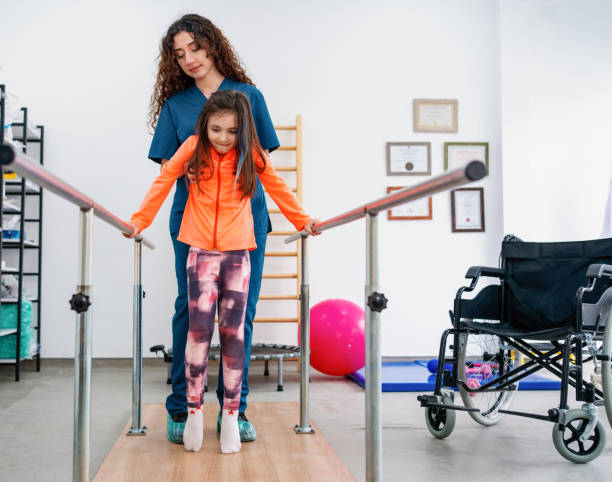
6. Physiotherapy
Addresses balance, posture, and spatial awareness issues.
Useful for children with CVI or co-occurring neurological conditions.
7. Special Education Support
Individualized Education Plans (IEPs) adapted for visual needs.
Teachers trained in Braille, tactile graphics, and multi-sensory learning methods.
These therapies work best when initiated early and consistently monitored.
How Nurturers Support Visually Impaired Children?
At Nurturers – Autism & Child Development Centre, Noida, we adopt a multidisciplinary approach to help children with visual impairments:
Comprehensive Developmental Assessments
Customized Therapy Plans based on the child's needs and goals
Cognitive Stimulation Techniques using touch, sound, and movement
Inclusive Education Advice for School Integration
Parental Training & Counseling to empower families
Access to Assistive Tools and learning aids
We collaborate with pediatric ophthalmologists, neurologists, and educators to ensure 360-degree support.
Conclusion
Visual impairment in children can be challenging, but with awareness, early diagnosis, and the right therapy, these challenges can be turned into strengths. As a parent, understanding the visually impaired meaning, different types of visual impairment, causes of visual impairment, and knowing which therapy helps for visual impairment is your first step in advocating for your child.
At Nurturers, we walk the journey with you — providing expert guidance, therapy, and emotional support every step of the way.

.jpg)


